
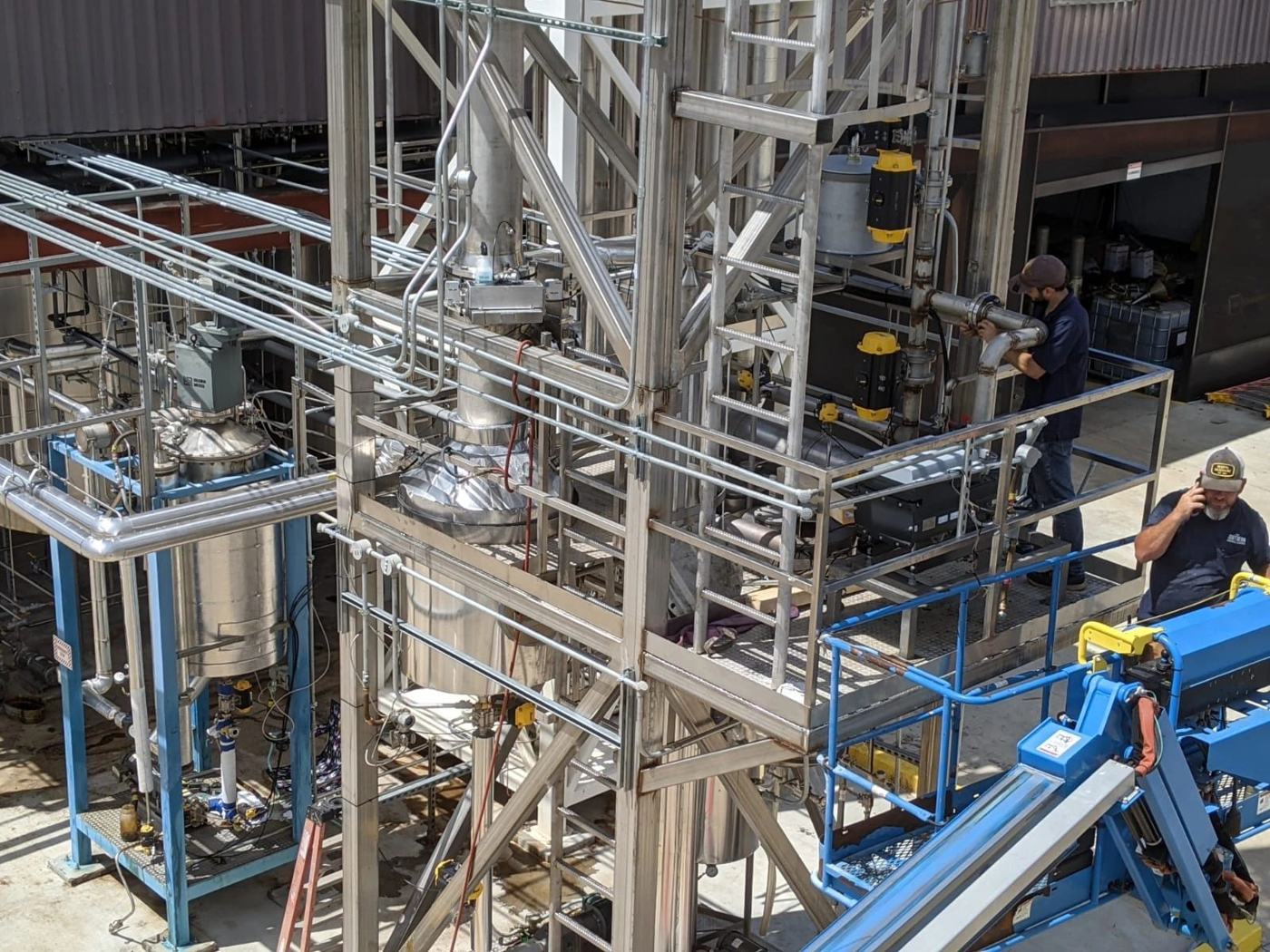
High-solids hydraulic pumping
Continuous transfer of wet biomass and slurry from collection points, vessels, containment systems or receiving areas into the processing system.
SSG is the integrator. We select and combine proven industrial technology around your material, site and downstream objective.
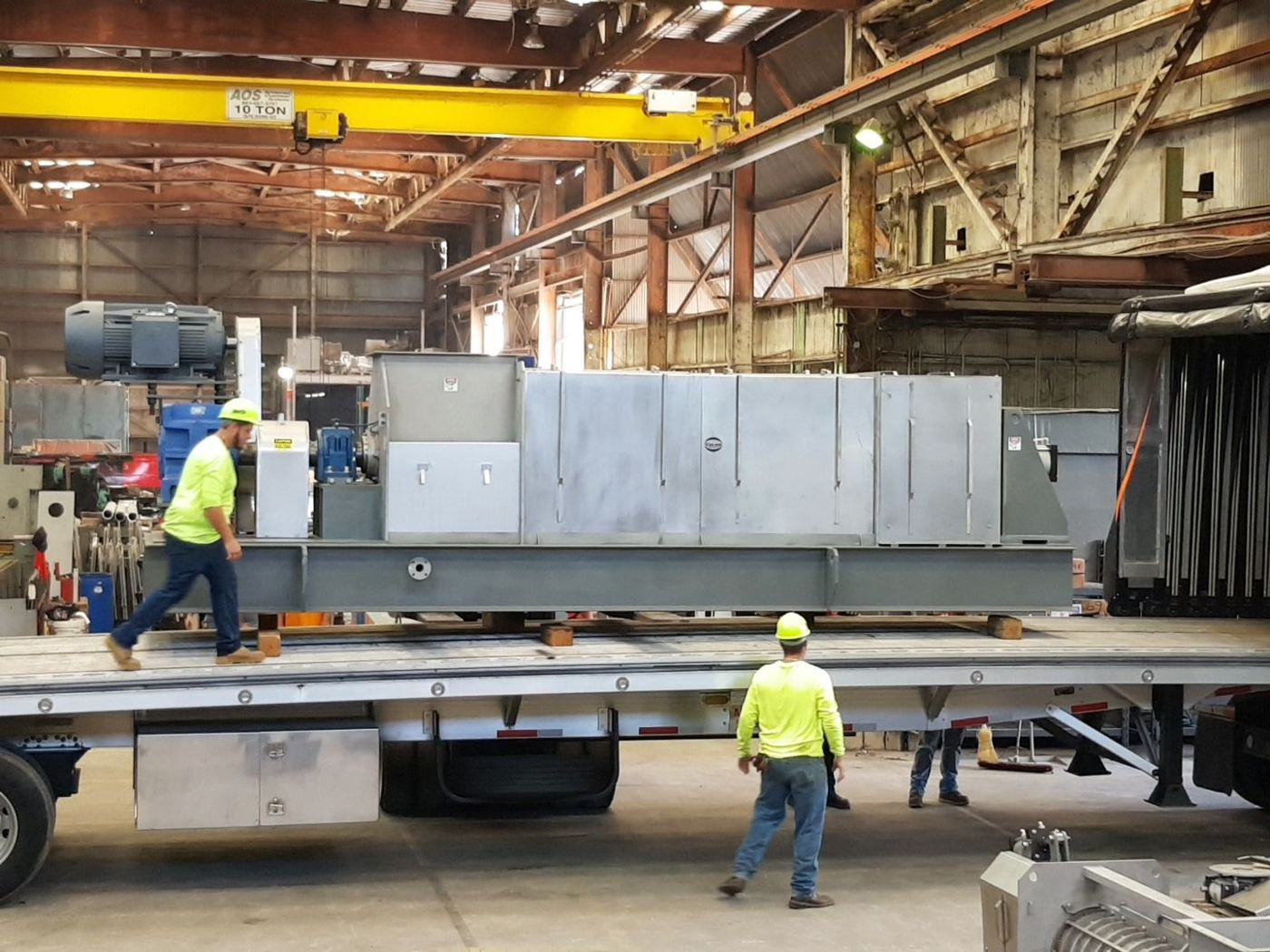
Collect → Transfer → Dewater → Separate → Direct
SSG does not require one specific collection or feed architecture. Wet biomass can reach the dewatering system by hydraulic pumping or by conveyor, whichever fits the material and the site.
Continuous transfer of wet biomass and slurry from collection points, vessels, containment systems or receiving areas into the processing system.
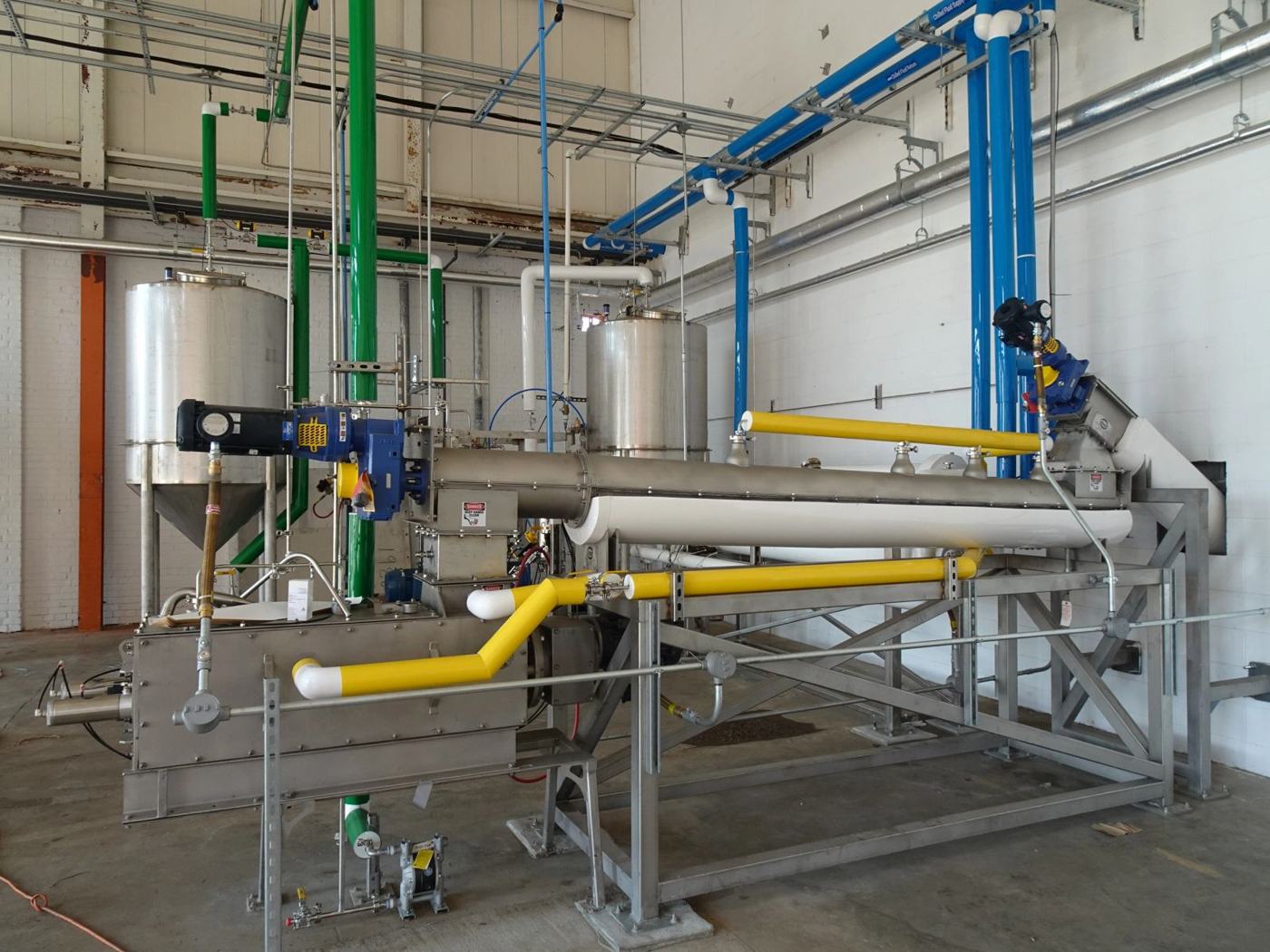
Receiving hoppers and mechanical conveyors that meter bulk biomass into processing at a steady rate.
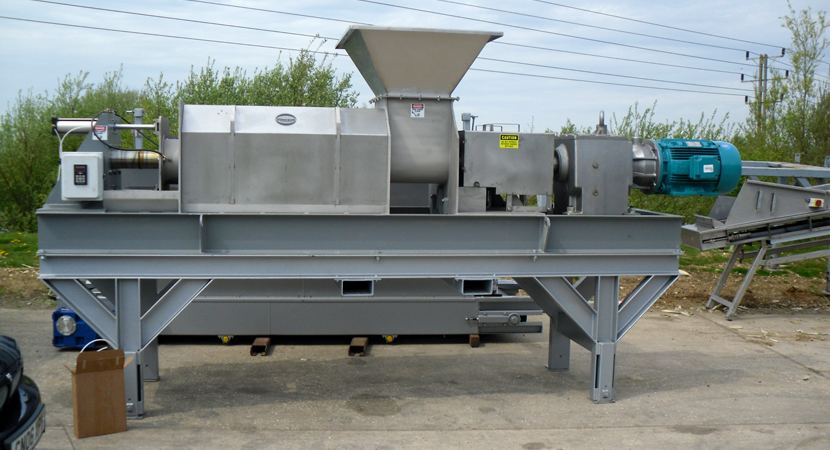
Continuous mechanical separation of liquid from wet biomass, producing dewatered biomass and a liquid fraction, without thermal drying or chemical additives.
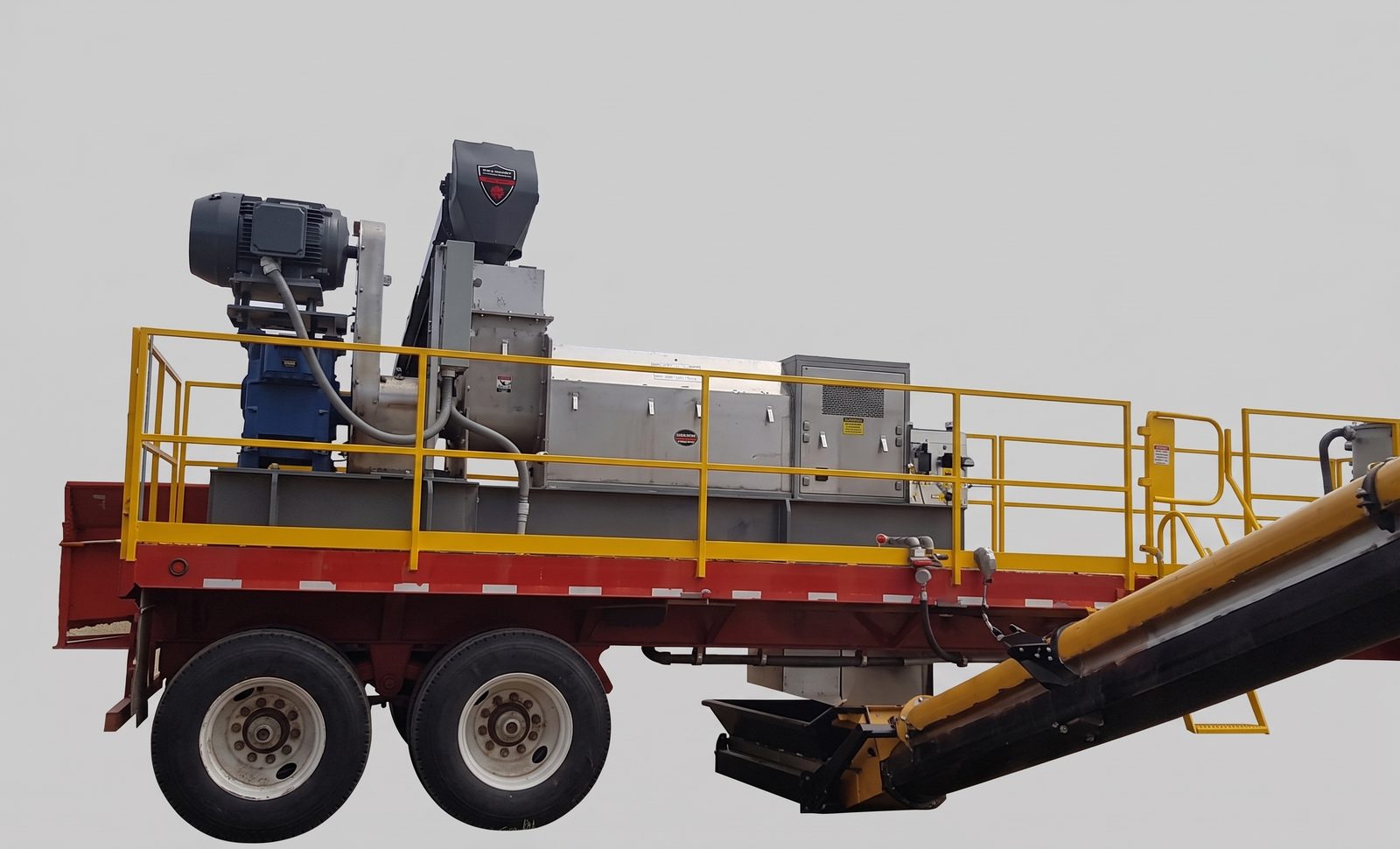
Skid- and trailer-mounted units for seasonal or remote sites, and fixed lines for regional processing hubs.
Collection, transfer, dewatering and downstream processing connected into one engineered pathway, with deployment and implementation support.
Every project is different. SSG evaluates material characteristics, collection method, volume, site constraints, transfer distance, debris profile, power, logistics and downstream requirements to engineer an integrated system for the application.
Continuous operation, no thermal drying, no chemical additives.
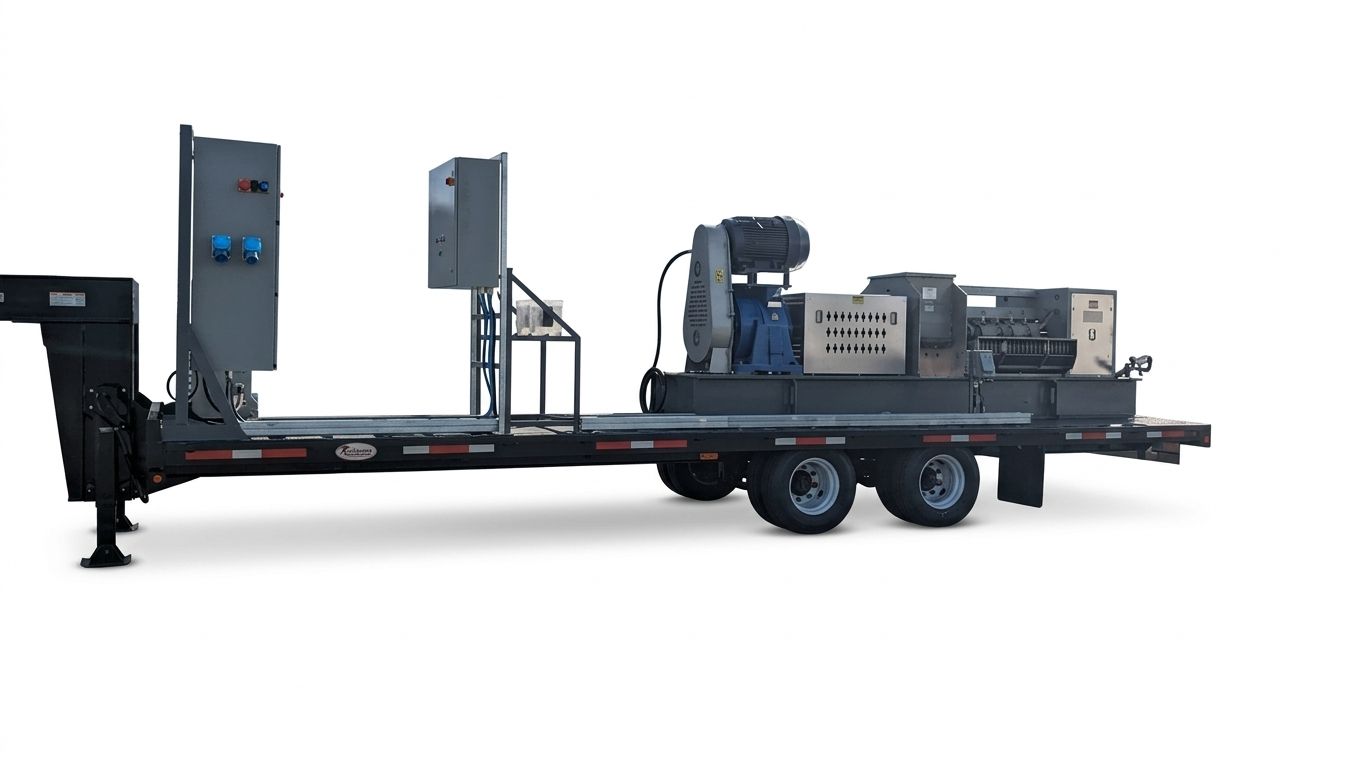
It goes to the sargassum.
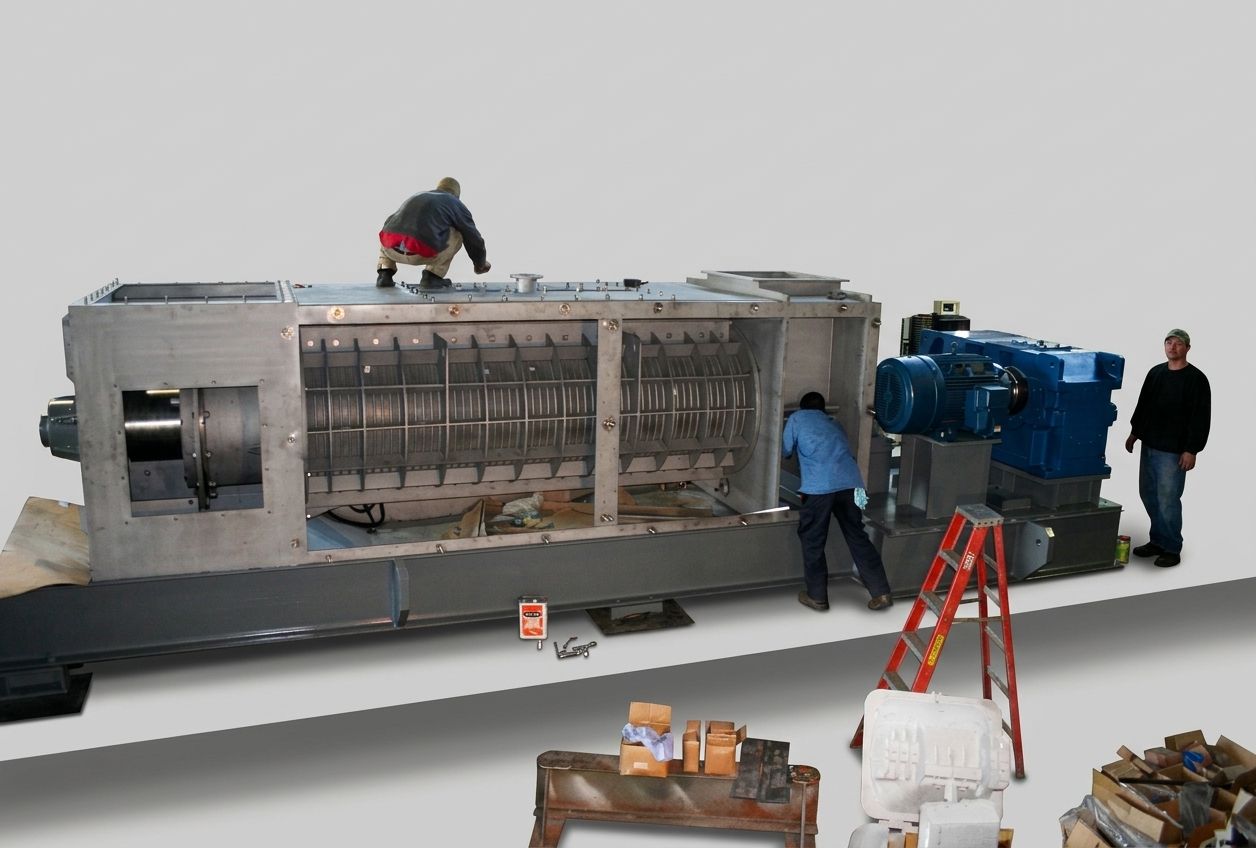
The sargassum comes to it.
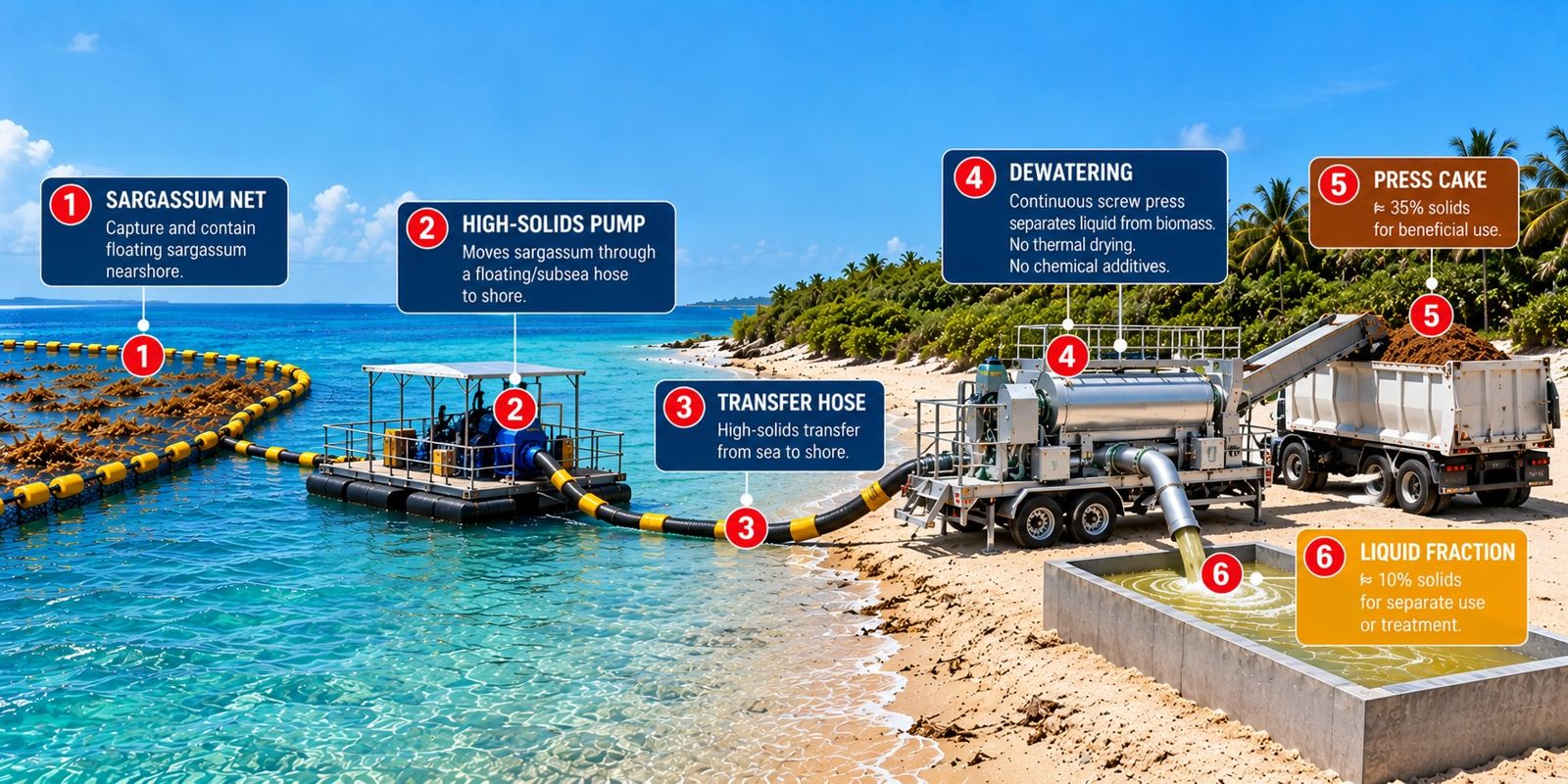
How the system fits together
A typical dewatering line. Layouts change from site to site; the steps stay the same.
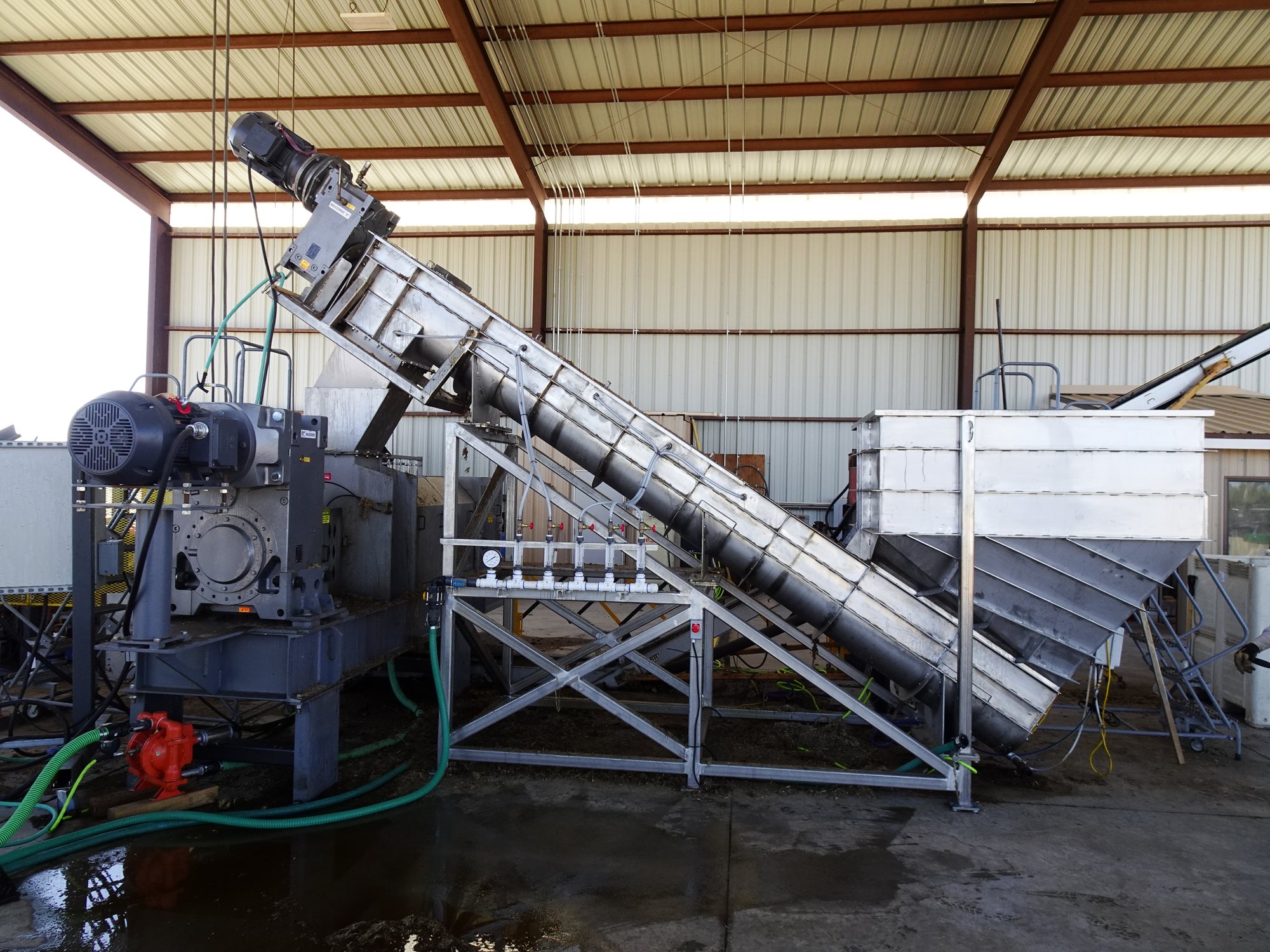
Example configuration. Output shares are conservative figures from our June 2024 trial.
Wet biomass enters at the inlet. The screw carries it along a perforated screen: press liquor drains through the screen, press cake discharges past the cone at the far end.
Feed rates are wet material entering the press, not cake leaving it. They vary with bulk density, moisture, particle size and fiber. Final configuration is confirmed with Vincent against the specific site and feedstock.
Scalable configurations for mobile, regional and high-throughput industrial applications.
Additional · collection piece
High-efficiency sargassum transfer pump.
Self-priming slurry pumps, diesel and electric drive, for high-solids transfer. These pumps move wet sargassum directly from a collection barrier, a vessel or a floating platform. Skid- or trailer-mounted for shoreline work; deploys on a floating platform for on-water collection.
610+ m documented transfer without a booster. Multi-kilometer configurations possible with booster pumps.
| Pump size | Total flow | At 20% sargassum | At 40% sargassum |
|---|---|---|---|
| 4 in | 900 GPM | 53 yd³/hr | 107 yd³/hr |
| 6 in | 1,800 GPM | 107 yd³/hr | 214 yd³/hr |
| 8 in | 2,500 GPM | 149 yd³/hr | 297 yd³/hr |
| 10 in | 3,500 GPM | 208 yd³/hr | 416 yd³/hr |
| 12 in | 5,000 GPM | 297 yd³/hr | 594 yd³/hr |
| 16 in | 12,000 GPM | 713 yd³/hr | 1,426 yd³/hr |
Not a replacement for Mexico’s strategy — a scalable bridge within it.
The dewatering solution
Sargassum is about 80% water, so every wet truckload is mostly water. An industrial continuous screw press turns that load into dense dewatered biomass and a liquid fraction before anything is hauled, stored or dried. That means lower transport costs, smaller storage, and cleaner inputs for whatever comes next.
From our June 2024 sargassum trial
Output fractions are rounded (±) from Seaweed Solutions Group bench testing — Key West sargassum, Vincent CP-4 test press, Tampa, June 2024, 11 kg batch at 80% incoming moisture. Capacities are wet material entering the press. Performance on Mexican sargassum has not yet been established — that is what a field demonstration is designed to measure.
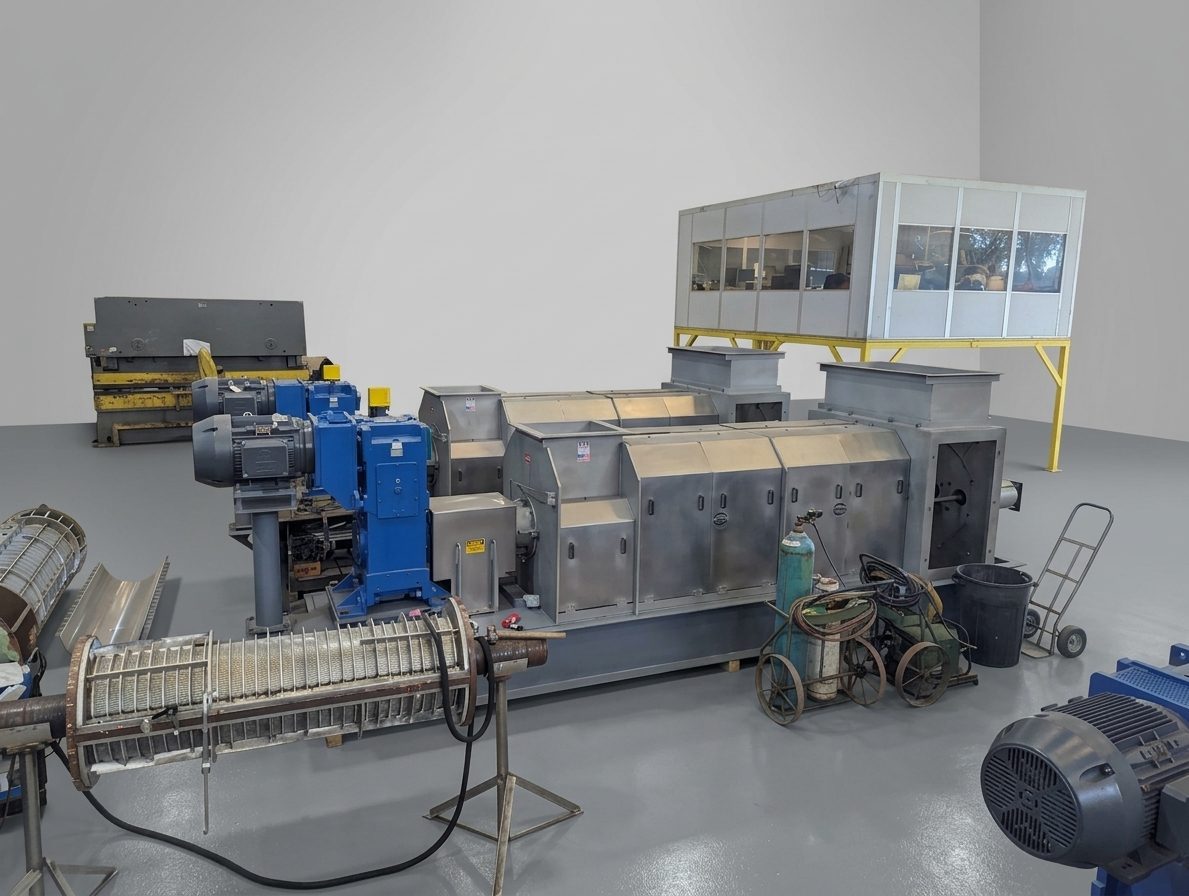
System design. We design the overall structure of a production process: selecting equipment, setting process parameters and identifying bottlenecks. We support installation and training so the site runs well and staff are proficient.
Process development. We work with clients to keep improving efficiency, quality and safety: optimizing operating conditions, reducing energy use, minimizing waste and making full use of every stream.
Process monitoring and automation. Control systems that monitor and regulate production in real time, so processes stay within their parameters.
Regulatory compliance. Processes that meet safety and environmental standards: hazard mitigation, emissions and waste reduction, worker protection.
Scale-up. From laboratory or pilot to commercial scale, addressing equipment scalability, reliability and cost.
Equipment is only part of the answer. SSG combines industrial processing with scientific analysis to understand how biomass behaves before, during and after processing.
Led by Dr. Spencer Serin, Head of Science.
SSG prepares aquatic biomass for what comes next. By solving the difficult material-handling, transfer, dewatering and separation steps upstream, we enable processors, researchers and product developers to pursue applications across biomaterials, bioenergy, agriculture, extracts and other industrial pathways.
We don't have to manufacture the final product. We make the next step possible.
Our work bridges the gap between collected wet biomass and the processors, researchers and manufacturers that need a more manageable feedstock.Product and feedstock definitions. Specifications describing the chemical and physical characteristics of the biomass stream, its intended use, process information and quality-control parameters.
Testing plans. Custom testing by biomass type and intended application to check batch consistency and set critical limits.
Quality systems. Good Manufacturing Practice protocols, sanitation plans and audits for operations that require them.
Before a larger commitment, we can run a field demonstration on local material, collected local ways, with independent measurement of the feed, dewatered biomass and liquid. It establishes capacity, mass balance and stream quality for the specific project.